Drain Cleaning in Walnut Creek, CA
Clogged drain in Walnut Creek? Call us at (925) 887-6347. We clear slow and blocked drains in showers, tubs, kitchen sinks, toilets, laundry lines and floor drains, using the right tool for the job: hand augers, power cable machines, video inspection and high-pressure hydro jetting. We find out why the drain clogged, not just push the blockage further down. We are open 24/7, a real person answers, estimates are free, and we have served Walnut Creek from our North Main Street shop since 1993.
- Open 24 hours, including holidays
- Licensed and insured since 1993
- Written price before any work starts
- Senior discount available
Drain cleaning in Walnut Creek: every drain in the house
Drain cleaning means physically removing what is blocking a pipe, whether that is hair, soap scum, grease, food, wipes or roots, and getting the line back to full flow. We handle every drain in a home or business, from a single slow bathroom sink to a main line that is backing up through the house.
Shower and tub drains
Hair and soap scum build up in the trap and the drain body. Usually a quick fix with a hand auger, plus a look at the stopper and overflow parts while we are there.
Kitchen sinks
Grease, food scraps and disposal waste coat the line from the sink to the main. Kitchen lines often need a larger cable or hydro jetting to really clean the pipe walls.
Toilets
Too much paper, wipes, toys and feminine products. We clear the toilet with a closet auger and check whether the real problem is further down the line.
Laundry drains
Lint, fabric fibers and detergent build up in the standpipe and laundry sink lines. An overflowing standpipe can also point to a main line problem.
Floor drains
Garage, laundry room and basement floor drains collect dirt and debris, and their traps can dry out and let sewer gas in. Water coming up from a floor drain is a warning sign for the main.
Main lines
When several fixtures back up at once, the blockage is in the main drain or the sewer lateral. We clear it from a cleanout and can camera it to see the cause.
Our sewers and drains work also includes clogged drain clearing, drain line installation, inline drain and sewer video inspection, high-pressure hydro jetting, whole-house drain line re-piping and commercial kitchen grease traps. If the camera shows the pipe itself is broken, we can repair or replace it too.
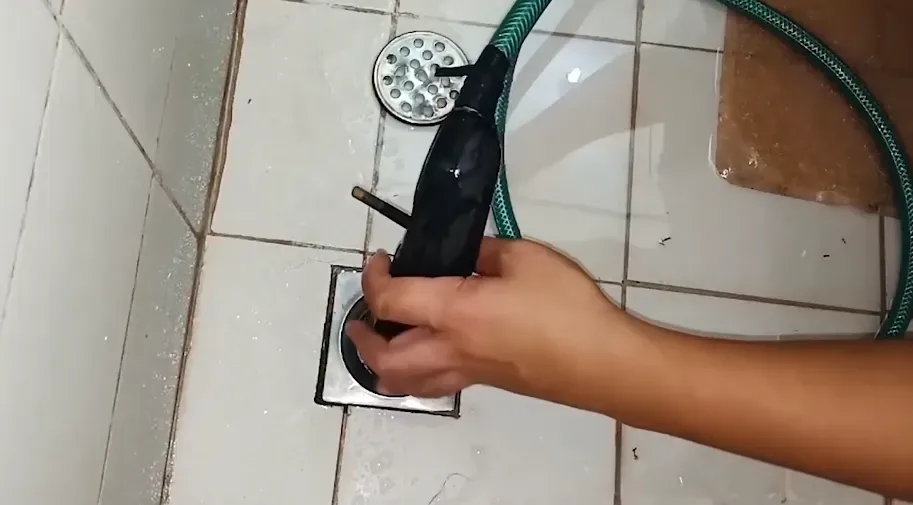
Signs you need a clogged drain plumber
One slow drain is usually a local clog you can handle or schedule. Several drains slowing at once, gurgling, or water coming up in the wrong place points to the main line, and that needs a plumber soon.
| What you notice | What it usually means | How urgent |
|---|---|---|
| One sink or tub drains slowly | Hair, soap or debris in that fixture's trap or branch line | Low. Try a plunger or drain zip tool, call if it persists |
| Kitchen sink backs up into the other basin | Grease and food in the kitchen branch line | Medium. Gets worse with every use |
| Toilet gurgles or the tub bubbles when you flush | Partial blockage in the main line or a venting problem | Medium to high. Main line clogs come next |
| Water comes up in the shower when the washer drains | Main line blockage | High. Stop using water and call |
| Sewage in a floor drain, tub or shower | Main or sewer lateral blocked | Emergency. Call now |
| Bad smell from a drain | Dried-out trap, buildup in the line, or a venting issue | Low to medium |
| Same drain clogs every few months | Buildup on pipe walls, a sag, a damaged pipe or roots | Medium. Worth a camera inspection |
Pay attention to the lowest drains in the house. Because sewage takes the easiest way out, a main line blockage usually shows up first in a ground-floor shower, tub or floor drain, not at the kitchen sink upstairs.
Augers, video inspection and hydro jetting explained
We match the tool to the pipe and the clog. A hand auger handles most fixture clogs, a power cable machine opens main lines, a camera shows what is really in the pipe, and hydro jetting scours the pipe walls clean.
Hand augers and closet augers
A hand auger (often called a snake) is a flexible steel cable that we feed through a sink, tub or shower drain to grab or break up a clog close to the fixture. A closet auger is a short version with a protected end made for toilets, so it does not scratch the porcelain. These are the right tools for most single-fixture clogs.
Power cable machines
For main lines and longer branch lines, we use a motorized cable machine with cutting heads sized to the pipe. It bores through grease, paper and roots. Cabling opens a line quickly, but it cuts a path through the blockage rather than cleaning the whole pipe wall, so buildup and roots can return.
Video inspection
Our inline drain and sewer cameras go down the line on a push cable and show us, and you, exactly what is in there: grease buildup, roots at a joint, a sag where water sits, a crack, an offset joint or a collapsed section. A camera turns guessing into a plan. If a drain keeps clogging, we strongly recommend a look before paying for cleaning again.
High-pressure hydro jetting
Hydro jetting sends water at high pressure through a specialized hose and nozzle. The nozzle pulls itself down the pipe and sprays backward, scrubbing grease, scale, sludge and fine roots off the pipe walls and flushing them out. It is the best option for heavy kitchen grease, restaurant lines and recurring buildup. It is not right for every pipe: badly cracked or broken pipe should be evaluated with a camera first, which is why we often inspect before we jet.
| Method | Best for | Limits |
|---|---|---|
| Plunger | Fresh clogs in toilets and sinks | Will not reach deeper blockages |
| Hand or closet auger | Hair, soap and paper clogs near the fixture | Short reach, not for main lines |
| Power cable machine | Main line clogs, paper, roots, hard blockages | Opens a path but leaves buildup on pipe walls |
| Hydro jetting | Grease, scale, sludge, recurring clogs, commercial kitchens | Pipe condition should be checked first |
| Video inspection | Finding the cause, confirming a line is clean | Diagnoses, does not clear by itself |
Grease and wipes: the two biggest clog makers
Most kitchen clogs come from fats, oils and grease, and most toilet and main line clogs we see involve wipes. Both are easy to keep out of your pipes.
Central San, which runs the sewer system serving Walnut Creek, asks residents to keep fats, oils and grease (FOG) out of drains. Grease goes down warm and liquid, then cools and sticks to the inside of the pipe. Food particles stick to the grease, the opening gets smaller, and one day the sink stops draining. Central San also points out that hot water and detergent only break grease up temporarily, and that grease should never go down the garbage disposal.
Wipes are the other big one. Central San is blunt about it: never flush wipes, even ones labeled flushable. They do not break apart the way toilet paper does. They catch on any rough joint, root or sag, then collect everything that comes after them.
- Pour cooled grease into a can or jar and put it in the trash.
- Wipe greasy pans and plates with a paper towel before washing.
- Use sink strainers in the kitchen and hair catchers in showers and tubs.
- Keep a lidded trash can in every bathroom for wipes and other products.
- Run plenty of cold water with the disposal, and keep peels, rice, pasta and coffee grounds out of it.
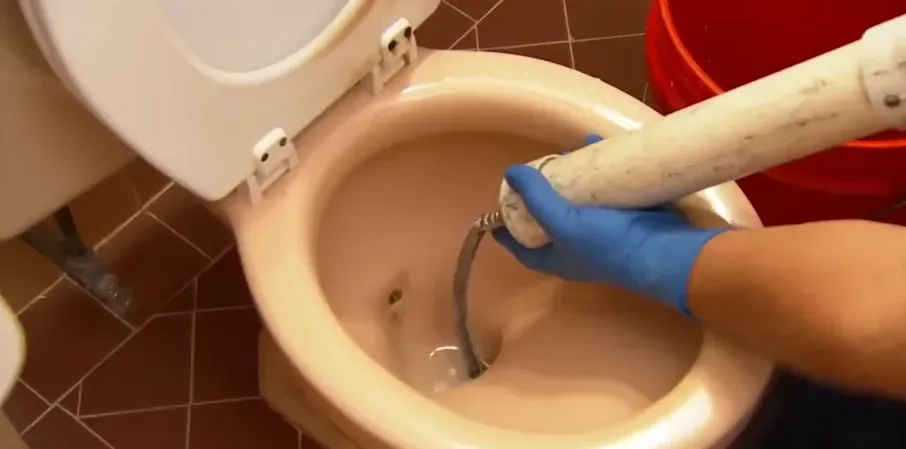
Why chemical drain cleaners are a bad idea
Store-bought chemical drain openers often fail on real clogs, and when they do, you are left with a sink full of caustic liquid. We recommend a plunger, a plastic drain zip tool, or a call to us instead.
Here is what we see in the field. Most liquid drain openers are strong caustic or acid products. They may burn a channel through a hair clog in a bathroom sink, but on a grease clog or a main line blockage they often just sit on top of it. Then the next step, whether you plunge or a plumber opens the trap, means dealing with a chemical that can burn skin and eyes. Please always tell us if you have poured anything down a drain before we arrive.
They can also be hard on plumbing. Heat and harsh chemicals sitting in a trap are tough on older pipes and fittings, and many Walnut Creek homes from the 1950s and 1960s still have aging metal drain lines. Central San also notes that some grease-dissolving additives can just push grease further into the pipes, where it hardens again in a spot that is harder to reach.
Safe things you can try first: a cup plunger on sinks and tubs (cover the overflow with a wet rag), a flange plunger on toilets, removing and cleaning the pop-up stopper, or a cheap plastic drain zip strip for hair. If none of that works, call us.
Why drains clog in Walnut Creek homes
Much of Walnut Creek was built during the 1950s and 1960s boom, so many homes have original cast iron drains and clay sewer laterals that are now 60 or more years old. Old pipe plus mature trees is a recipe for recurring clogs.
The city's population went from 9,903 in 1960 to 39,844 in 1970. Homes in neighborhoods like Parkmead, Larkey Park, Walnut Heights, Tice Valley and Northgate went up in that era. Cast iron drain pipe from that period corrodes and scales on the inside. The rough surface grabs grease, paper and hair, so the pipe clogs more often even though nothing is technically broken. Hydro jetting can clean scale and buildup from these lines, and a camera tells us whether the pipe is still sound.
Outside the house, clay sewer laterals have joints every few feet, and roots find their way in. Central San calls root intrusion the leading cause of sewer backups, and recommends that if trees are near your lateral, you have it inspected or cleaned at least every other year. If your main line clogs again and again, our sewer line repair page explains root removal, lateral repair and trenchless replacement.
Water matters too. Walnut Creek is split between EBMUD and Contra Costa Water District by address. EBMUD water is soft, 1 to 7 grains per gallon. CCWD water comes mainly from the Delta and its quality varies seasonally. Mineral content plays a part in scale buildup on fixtures and inside pipes, which is one more reason older drains narrow over time.
How we clean a drain
We figure out which drain and how far down the clog is, choose the right tool, clear it, and then prove it is clear. You get a written price before we start.
- Call and describe the problem.Which drains are slow, whether anything is backing up, and whether you have used a chemical cleaner. A person answers 24/7 at (925) 887-6347.
- Arrival window.We give you an honest window based on our schedule that day, and for real backups we treat it as the emergency it is.
- Find the clog and the access point.We test fixtures to see where the blockage sits and look for the best access, ideally a cleanout so we do not have to pull a toilet.
- Written price.We explain what we recommend, cable, jetting or a camera first, and give you the price before work begins.
- Clear the line.We protect floors, clear the blockage, and run water through every affected fixture. If we cabled a recurring clog, we will usually suggest a camera look to find out why.
- Clean up and advice.We clean our work area, show you what came out or what the camera saw, and tell you what will help prevent the next clog.
Commercial drain cleaning and restaurant grease traps
For restaurants, cafes and other food businesses, we install and service commercial kitchen grease traps and clear grease-heavy kitchen lines with hydro jetting. Keeping grease out of the sewer protects your business from backups during service.
Walnut Creek's downtown, Broadway Plaza and the shopping districts along N. Main Street and Mt. Diablo Boulevard have plenty of restaurants, and every one of them sends grease toward the drains. Central San notes that poorly maintained grease traps in restaurants and other businesses are one of the ways grease gets into the sewer system. A trap only works when it is sized right and cleaned before it fills up.
Grease trap installation
We install commercial kitchen grease traps for new restaurants, remodels and replacements. Sizing and requirements can depend on your fixtures and local rules, so check with Central San and your building department before you start.
Kitchen line jetting
Grease coats the line from the sinks and dish machine all the way to the trap. Hydro jetting scrubs it out, and we can schedule it during your closed hours to avoid a shutdown.
Camera inspection
If one line keeps backing up during a dinner rush, a camera shows whether it is grease, a sag, a break or roots, so you fix the cause once.
Staff habits
Central San recommends scraping grease and food from dishes and cookware before washing and never sending grease down the disposal. These habits cut down on clogs more than anything else.
Because requirements for food service businesses can vary, we recommend calling Central San directly for current rules on grease control before a new build or a change of use. We are glad to work alongside your contractor and inspector.
Keeping drains clear: what you can do and when to call
A few habits prevent most clogs. If a clog does not clear with a plunger, keeps coming back, or affects more than one fixture, call a plumber rather than escalating to chemicals or rented machines.
Safe to do yourself
Clean shower and sink stoppers, use hair catchers and sink strainers, plunge a toilet or sink, run water into rarely used floor drains so the trap stays filled, and keep grease and wipes out of the pipes.
Time to call us
Several drains slow at the same time, sewage appears anywhere, a toilet clogs again right after plunging, a drain smells even after cleaning, or the same line clogs every few months.
Rental drum machines can kink, get stuck in a line, or damage older pipe in untrained hands. Opening a main line cleanout when the line is full of sewage can also release a sudden flood. Those are good moments to let a plumber take over.
What affects the cost of drain cleaning
The price depends on which drain, how far the clog is, how easy the access is and which equipment the job needs. We give you a free estimate and a written price before we start.
- Fixture clog versus main line or sewer lateral blockage.
- Access: an outdoor cleanout versus pulling a toilet or working through a roof vent.
- Equipment: hand auger, power cable machine, hydro jetter or camera.
- What the clog is: hair and soap versus heavy grease or roots.
- Time of the call: regular hours versus nights, weekends and holidays.
Estimates are free, seniors get a discount, and we accept Mastercard and Visa. If a camera shows the pipe needs repair rather than another cleaning, we will tell you plainly so you are not paying for the same clog twice.
Why choose us for drain cleaning
We are a family business serving Contra Costa and Alameda Counties since 1993, with our shop on North Main Street in Walnut Creek. We are a California licensed C-36 plumbing contractor, licensed and insured, and we hold a 4.7 rating from 251 Google reviews.
Owner Mo Williams grew up in the Bay Area and learned plumbing products and installation at Simon's Hardware in Walnut Creek and Home Depot in Concord. We are open 24/7 and a real person answers. If your drain problem turns out to be part of something bigger, we can help with kitchen plumbing and garbage disposals, bathroom plumbing, emergency service and a whole-house plumbing inspection. Or visit the home page.

A family business led by Mo Williams since 1993
We are a Walnut Creek family business run from our North Main Street shop. Owner Mo Williams grew up in the Bay Area and learned plumbing products and installation from the inside out at Simon's Hardware in Walnut Creek and Home Depot in Concord. His wife Ann runs the books as CFO. We're rated 4.7 on Google from 251 reviews (October 2026). Meet Mo


Frequently asked questions
How do I know if my main drain is clogged and not just one sink?
If several fixtures are slow or backing up at once, the clog is likely in the main. Other signs: water comes up in a shower or tub when you flush or run the washer, toilets gurgle, or sewage appears in a floor drain. A single slow sink with everything else fine is usually a local clog in that fixture's trap or branch line.
What is hydro jetting and is it safe for my pipes?
Hydro jetting cleans drains with high-pressure water sprayed from a nozzle that scrubs grease, scale and fine roots off the pipe walls. It is very effective for heavy buildup and recurring clogs. It is safe for pipes in sound condition, but badly cracked or broken pipe should be checked with a camera first, which is why we often inspect before jetting older lines.
Is hydro jetting better than snaking a drain?
For different jobs, yes. A cable machine (snake) quickly opens a path through a clog, which is ideal for paper or a hard blockage. Hydro jetting cleans the whole pipe wall, so it is better for grease, scale and clogs that keep coming back. Many jobs start with a cable to open the line and a camera to decide whether jetting is worth it.
Why shouldn't I use chemical drain cleaners?
They often do not clear real clogs, especially grease or main line blockages, and leave caustic liquid sitting in your pipes. That liquid can burn skin and eyes when the drain is later plunged or opened, and harsh chemicals are hard on older pipes and fittings. Central San also notes some grease additives just push grease further down. Try a plunger first, then call.
Are flushable wipes really safe to flush?
No. Central San, which runs the sewer system serving Walnut Creek, says never to flush wipes, even ones labeled flushable. Wipes do not break apart like toilet paper. They snag on rough joints, roots and sags, then trap everything behind them. Put wipes, paper towels and hygiene products in a lidded trash can in each bathroom instead.
Why does my kitchen sink keep clogging?
Usually grease. Fats and oils go down warm and harden on the pipe walls, then food particles stick to them until the opening closes. Hot water and soap only move the grease a little further. Scrape and wipe pans into the trash, use a sink strainer, and keep peels and grounds out of the disposal. Recurring kitchen clogs often need hydro jetting.
Do you need a camera inspection for every clog?
No. A simple hair clog in a bathroom sink does not need a camera. We recommend video inspection when a drain clogs repeatedly, when the main line backs up, when roots are suspected, or before hydro jetting an older line. The camera shows grease, roots, sags, cracks and breaks, so you know whether cleaning is enough or the pipe needs repair.
How often should I have my drains or sewer line cleaned?
Most household drains only need cleaning when they clog. Sewer laterals are different if trees are nearby: Central San recommends inspecting or cleaning the lateral at least every other year when trees are near the line, because roots are the leading cause of sewer backups. A camera inspection can tell you whether a regular cleaning schedule makes sense for your home.
Do you install and service restaurant grease traps?
Yes. LeapFrog installs commercial kitchen grease traps and clears grease-heavy kitchen lines with hydro jetting for restaurants and other food businesses in Walnut Creek. Central San notes poorly maintained traps are one way grease gets into the sewer. Requirements for food businesses can vary, so check with Central San and your building department before installing or changing a trap.
How much does drain cleaning cost in Walnut Creek?
It depends on the drain, how deep the clog is, the access and the equipment needed. A fixture clog with a hand auger costs less than a main line that needs a cable machine, hydro jetting or a camera. Nights and holidays can cost more. LeapFrog gives free estimates and a written price before work starts, and offers a senior discount.
Other ways we help Walnut Creek homes
Call a Walnut Creek plumber for drain cleaning
A real person answers 24 hours a day, 7 days a week. Tell us what's happening and we'll give you an honest arrival window and a free written estimate before any work starts.
Call now, day or night
(925) 887-6347- Licensed plumber, not a salesperson
- Free written estimate before work begins
- Senior discount, ask when you call
- Mastercard and Visa accepted
- Non-urgent questions: balzaparis@gmail.com
Water or sewage spreading? Shut off the fixture or main valve, then call. Smell gas? Leave first and call PG&E at 1-800-743-5000 or 911 from outside.
2108 N. Main Street, Suite F
Walnut Creek, CA 94596
Phone: (925) 887-6347
Email: balzaparis@gmail.com
Open 24 hours, 7 days a week